Beyond the Green: Understanding and Overcoming Golf Injuries
OCT 08, 2026Understanding common golf injuries, and knowing how physical and occupational therapy can prevent and aid in recovery can keep you swinging strong for years to come.
Read More

Gardening offers a myriad of benefits, fostering well-being across physical, cognitive, emotional, social and sensory dimensions. These include opportunities for physical movement, cognitive challenges, emotional regulation, social interaction and participation, reduced levels of stress and anxiety, and sensory stimulation.
The motivations for engaging in gardening are diverse, ranging from it being a personal hobby or a creative craft, to its role in sustaining or supplementing nutrition and even as a source of employment. But what do you do when the hobby you love becomes increasingly difficult to do?
Gardening shouldn't be about pushing through pain or feeling frustrated. It should be about adapting your environment and techniques to suit your body's unique capabilities. Adaptive gardening isn't about compromising on beauty or productivity; it's about finding creative solutions that make gardening accessible, enjoyable, and sustainable in the long run.
Accessibility is paramount for inclusive gardening. Thoughtful design elements such as hardscape paths, handrails, raised beds at appropriate heights, proximity of the garden to the main areas, appropriate tools and adequate lighting can significantly enhance usability for all individuals, while reducing fall risk hazards and overuse or overexertion injuries.
Implementing efficient techniques and practices is essential for sustained participation.
Strategic plant selection is crucial: Prioritize low maintenance varieties, disease and pest resistant specimens and understand the difference between perennials and annuals. Effective use of ground covers and adherence to the principle of “right plant, right place” can significantly reduce effort and improve outcomes.
The selection of gardening tools directly impacts effort and safety. Tools should be chosen based on:
Your CHI Health Physical and Occupational Therapists are masters of adaptive strategies, body mechanics, energy conservation and assistive technology and can help to guide you to elevate your adaptive gardening experience and continue to safely participate in the activities you love!
Valuable resources for further information and support include:


Understanding common golf injuries, and knowing how physical and occupational therapy can prevent and aid in recovery can keep you swinging strong for years to come.
Read More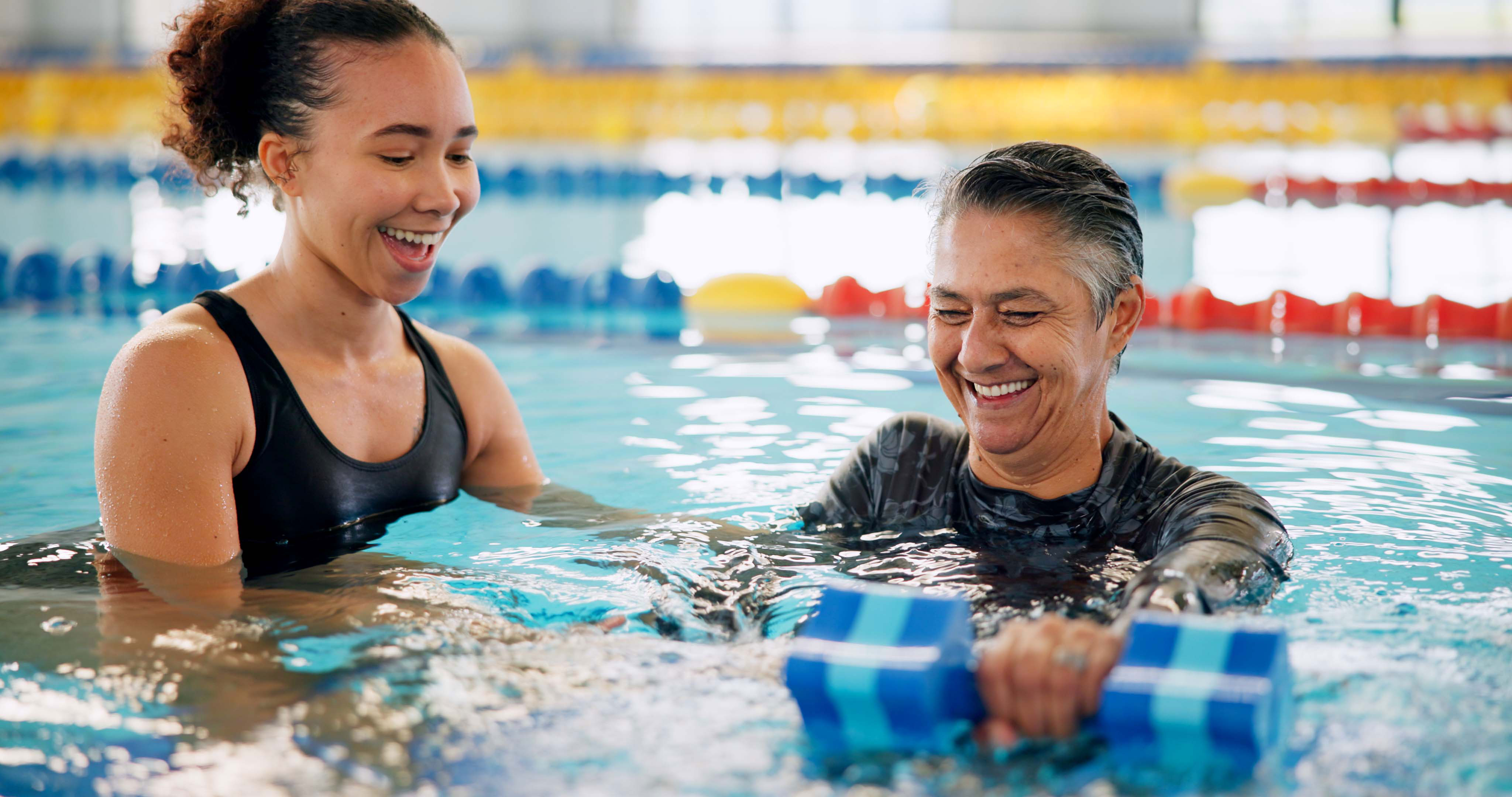
Adding aquatic physical therapy—the practice of performing exercises in a temperature-controlled pool—can be a transformative part of recovery.
Read More
Experiencing cognitive or speech challenges when scans look clear? You are not alone. Our team specializes in diagnosing and treating functional disorders.
Read MoreWhen you need local health information from a trusted source, turn to the CHI Health Better You eNewsletter.