3 Myths About Pelvic Health: Debunked by Our Team
OCT 21, 2026Believing these myths can keep you stuck in a cycle of discomfort for years. The truth is that your pelvic floor is a highly responsive, trainable, and resilient system.
Read More
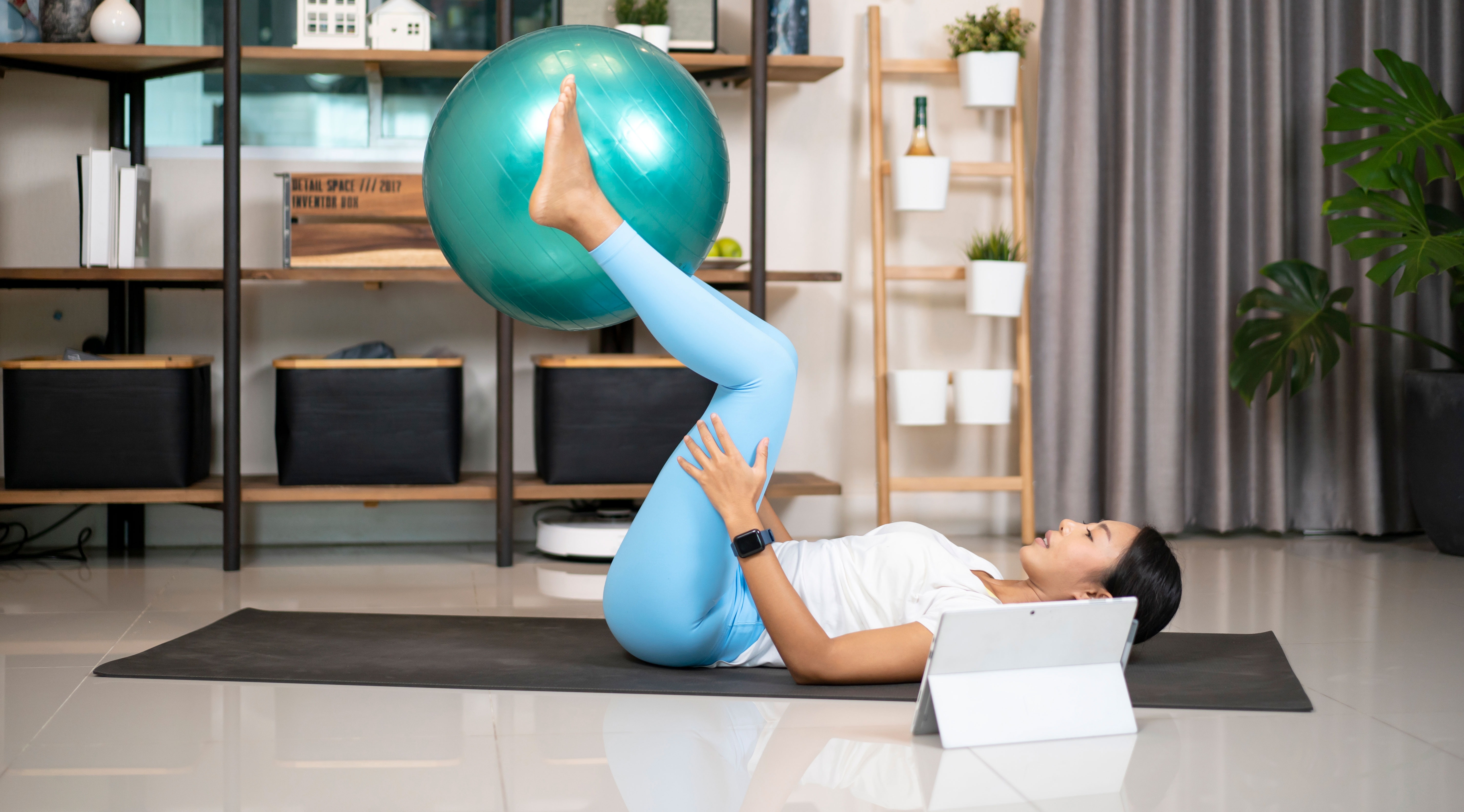
Finding a lump or bulge “down there” can be a frightening and overwhelming experience. For many women, this sensation is the first sign of pelvic organ prolapse (POP), which is a condition where one or more of the pelvic organs (bladder, uterus, rectum) descend from their normal position and into the vagina.
Common symptoms of pelvic organ prolapse can include:
It’s important to remember that the severity of your symptoms doesn’t always match the severity of the prolapse. Some people with significant prolapse have few symptoms, while others with mild prolapse may experience considerable discomfort.
POP occurs when the pelvic floor muscles and connective tissues, which act to help support your pelvic organs, become weakened or damaged. Activities that cause increased intra-abdominal pressure can put further strain on these already compromised structures.
POP is usually multifactorial and may be influenced by:
This doesn’t mean all exercise is bad! In fact, strengthening your pelvic floor and core musculature is crucial for managing POP symptoms and preventing further exacerbation. The key is to exercise with a gradual approach.
If you’ve just been diagnosed or are experiencing new or worsening symptoms, such as heaviness, pressure, bulging, urinary leakage during exercise, or pain, your first step should be to consult a healthcare professional.
Contact your doctor or gynecology to confirm the diagnosis, assess the severity of your prolapse, and rule out other potential conditions. You should also see a pelvic floor physical therapist who can assess your pelvic floor strength, coordination, and posture.
They will develop an individualized exercise program tailored to your specific needs, teach you proper pelvic floor activation, and guide your return to activity.
Signs to modify or stop exercise:
Before even thinking about running, it’s crucial to strengthen your core stabilizing muscles. This includes:
1. Pelvic Floor Muscle Training: Your PFPT will teach you how to perform Kegels correctly. This isn't just about squeezing; it's about proper contraction, relaxation, and endurance. They’ll help you integrate these into daily activities.
2. Transverse Abdominis (TA) Activation: This deep core muscle works synergistically with your pelvic floor to provide internal support. Learning to engage it correctly is vital.
3. Diaphragmatic Breathing: Believe it or not, how you breathe impacts your pelvic floor. Proper diaphragmatic breathing helps to regulate intra-abdominal pressure.
4. Gluteal Strength: Strong glutes contribute to overall hip stability and can indirectly support the pelvis.
For those with POP, returning to running isn't about jumping straight back to your old mileage. It’s a graded process, often taking months, and requiring patience and self-awareness.
Here's a general framework, always under the guidance of your PFPT:
1. Baseline Pelvic Floor Strength & Awareness: You should be able to consistently contract and relax your pelvic floor before even thinking about higher impact.
2. Low-Impact Aerobics: Start with activities like walking, swimming, cycling, or elliptical. Focus on maintaining good posture and checking in with your pelvic symptoms.
3. Power Walking with Purpose: Incorporate brisk walking, paying attention to your pelvic floor engagement throughout your gait cycle.
4. Walk/Jog Intervals (Gradual Progression):
5. Running as Tolerated: As you progress, you can increase your running duration and intensity.
Key considerations for runners with POP:
Managing POP and returning to activity also involves broader lifestyle considerations:
A diagnosis of pelvic organ prolapse can feel disheartening, especially if you’re an active individual. However, it's not a life sentence to inactivity. With the right guidance from a pelvic floor physical therapist, a commitment to mindful movement, and a healthy dose of patience, many women can safely and effectively return to exercise and even running.
Your journey will be unique, but by empowering yourself with knowledge and seeking expert support, you can reclaim your fitness and confidently move forward. Don't give up on your exercise goals – just adjust your compass!
To explore how these therapies can support your journey, contact our Pelvic Health Navigator at (402) 717-7358 or access our online resources to learn more.


Believing these myths can keep you stuck in a cycle of discomfort for years. The truth is that your pelvic floor is a highly responsive, trainable, and resilient system.
Read More
Pelvic health physical therapy touches nearly every domain of maternal health: musculoskeletal function, bladder and bowel control, the physical work of caring for a newborn, mental health, and even cardiovascular health.
Read More
Traditionally, radiation therapy after a lumpectomy requires 16-30 treatments but APBI is a targeted approach that achieves the same goal in just 5 treatments.
Read MoreWhen you need local health information from a trusted source, turn to the CHI Health Better You eNewsletter.