Beyond the Bulge: Your Guide to Exercise with Pelvic Organ Prolapse
NOV 03, 2026Rebuilding your foundation, returning to exercise gradually, and knowing when to pause are essential when exercising with a pelvic organ prolapse.
Read More

If you’ve been struggling with pelvic floor issues—like leaking, tightness, or pain—you might have visited a pelvic floor physical therapist. If you’ve been struggling with digestive issues—such as bloating, constipation, or IBS—you’ve likely seen a gastroenterologist.
But rarely do we look at these two systems together.
In reality, your gut health and pelvic health are intrinsically linked. They share the same neighborhood (the pelvic cavity), the same nerve pathways, and the same muscular structures. If one is struggling, the other is likely feeling the pressure.
Here is why your digestive system and your pelvic floor are an inseparable team.
Your pelvic floor muscles act as a muscular hammock for your pelvic cavity, supporting your bladder, uterus, and the final section of your digestive tract: the rectum.
When your gut isn't happy—due to inflammation, bloating, or chronic constipation—the pelvic organs become compressed. Distended, gas-filled intestines take up more room than they should, placing downward pressure on the pelvic floor. Over time, this constant "heavy" sensation can weaken the muscles from the persistent load or force them to tighten up in a defensive attempt to hold everything together.
Constipation is arguably the biggest enemy of pelvic health. If you are chronically constipated, you are likely straining on the toilet.
Straining is essentially the opposite of what your pelvic floor is designed to do. While these muscles should relax and lengthen to allow for a bowel movement, straining forces them to push downward under high pressure. This can lead to:
Pelvic Organ Prolapse: The repetitive, forceful bearing down weakens the supportive structures of the pelvis, potentially causing organs to drop or bulge.
Hemorrhoids: The chronic, high-pressure bearing down causes the veins in the rectum and anus to become swollen and inflamed. This not only causes pain but often triggers a “fear-avoidance”, where your body resists having a bowel movement to avoid the discomfort, further worsening your constipation.
Muscle Dysfunction (dyssynergic defecation): If you strain to go, you are training your pelvic floor to "push" when it should be "releasing." This creates a dyscoordinated pattern where the muscles lose the ability to relax when you actually need them to.
The physical toll of these conditions creates a feedback loop: the pain and physiological stress caused by straining and hemorrhoids act as a constant “alarm signal” to your nervous system, keeping your body in a state of high alert and unable to fully relax.
Your gut is often called your "second brain" because it is governed by the enteric nervous system, which communicates constantly with your brain via the vagus nerve.
When your gut is inflamed or distressed, such as experiencing localized pain of pelvic floor dysfunction, it can trigger a systemic stress response in the body. Because the pelvic floor muscles are highly reactive to stress (we often “hold” our tension in our hips and pelvis), this gut-brain imbalance can literally manifest as pelvic floor tightness. If your gut is constantly in "fight or flight" mode, your pelvic floor will likely be in "clench" mode.
Chronic gut issues, such as SIBO (Small Intestinal Bacterial Overgrowth) or food sensitivities, create a state of low-grade systemic inflammation. This inflammation irritates the surrounding nerves and tissues in the pelvic cavity. If your gut is inflamed, the structures surrounding it—including the pelvic floor—may experience increased sensitivity, leading to unexplained pelvic pain or discomfort.
You notice your pelvic symptoms (like leaking or pain) worsen on days when you feel bloated or constipated.
You struggle with "incomplete evacuation"—the feeling that you haven't fully emptied your bowels.
You have a history of IBS (Irritable Bowel Syndrome) and also deal with urinary urgency.
You find yourself "holding your breath" during bowel movements.
If you suspect your pelvic floor and your gut are caught in a cycle, try these three strategies to support both systems:
Change Your Toilet Posture: Use a footstool (like a Squatty Potty) to elevate your knees above your hips. This straightens the anorectal angle, making it easier to empty your bowels without needing to strain.
Focus on "Diaphragmatic" Breathing: Deep, belly-filling breaths massage the gut and encourage the pelvic floor to lengthen and relax. It’s a dual-purpose exercise for both systems.
Hydrate and Fiber-Load (Carefully): Gentle hydration and consistent fiber intake prevent the constipation that fuels the straining cycle. However, if you have severe IBS, consult a dietitian to find the right fiber balance for your specific gut needs.
You cannot treat the pelvic floor in a vacuum. If you are doing all the Kegels in the world but your gut is chronically inflamed or constipated, you are only treating half the problem. By nourishing your gut and protecting your pelvic floor from the pressures of digestive distress, you can create a foundation of health that works from the inside out.
Reach out to our Pelvic Health Navigator for more information or to schedule an appointment.

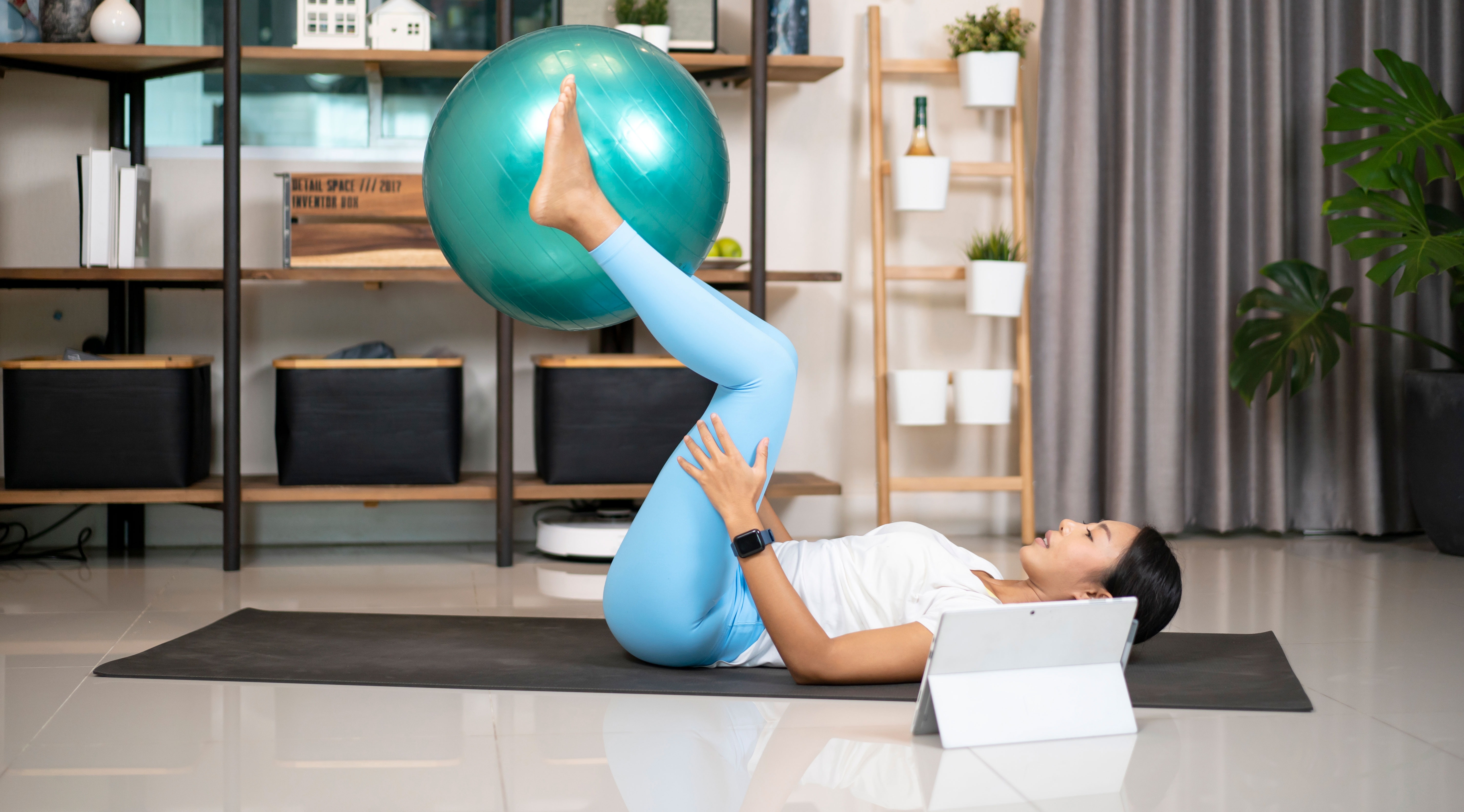
Rebuilding your foundation, returning to exercise gradually, and knowing when to pause are essential when exercising with a pelvic organ prolapse.
Read More
Believing these myths can keep you stuck in a cycle of discomfort for years. The truth is that your pelvic floor is a highly responsive, trainable, and resilient system.
Read More
Pelvic health physical therapy touches nearly every domain of maternal health: musculoskeletal function, bladder and bowel control, the physical work of caring for a newborn, mental health, and even cardiovascular health.
Read MoreWhen you need local health information from a trusted source, turn to the CHI Health Better You eNewsletter.