From 30 Treatments to 5: A New Standard for Breast Cancer Care
OCT 19, 2026Traditionally, radiation therapy after a lumpectomy requires 16-30 treatments but APBI is a targeted approach that achieves the same goal in just 5 treatments.
Read More

When it comes to having a colonoscopy, people rarely complain about the procedure itself. They complain about the prep - that “big gallon jug” with the horrible taste that seems to be designed to come out both ends by the time you get it down. As a physician who performs colonoscopies daily, I understand these concerns.
But here's the good news: The colonoscopy prep is so much better than it ever used to be. Although there’s no way around trips to the toilet (because, you know, that’s the point of it), it does not have to feel like some form of punishment.
One of the biggest improvements to the prep is also the simplest. You don’t have to drink it all at once! Instead of asking patients to drink the entire prep the night before, we split it up. By drinking only half of the prep the evening before the colonoscopy and the second half the morning of, your stomach feels less full, so you don't feel like throwing up. Bonus: split-dosing actually does a better job of cleaning your colon!
The other game-changer has been small-volume preps. Most of the newer clean outs are half the volume of the big jug. When these preps are split into two doses, the prep is definitely doable! The taste of these drinks has come a long way too. Can’t tolerate the taste of any of these drinks? You’re in luck! One prep is available that involves taking pills while drinking lots of water.
Many things help decide which prep is best for you. Some health problems or past surgeries might mean one prep is better than another. It would be great if all preps cost the same, but some might not be covered by your insurance. Your doctors and nurses will pick the safest and best plan for you.
No matter which prep you use – and this is super important – always follow the exact directions your doctor's office gives you. If you don't follow the directions, the cleaning might not work well enough for your colonoscopy to be successful. Even worse, not following directions could make some health problems worse.
There is a reason we ask you to do what we do for a colonoscopy, and it is not because we think it’s funny to make people poop so much.
Regardless of your specific regimen, these tips can help:
Now, let's talk about the critical "why." It's for a reason far more important than any temporary inconvenience: your life.
Colorectal cancer is the second leading cause of cancer-related deaths in the United States, yet it's one of the most preventable and treatable cancers when caught early. Most colorectal cancers start as small, non-cancerous polyps.
A colonoscopy allows us to not only see these polyps but also to remove them right then and there. It's essentially cancer prevention in action. Without a colonoscopy, these polyps can grow into cancer, often without symptoms until it's too late.
The updated guidelines recommend that average-risk individuals begin screening colonoscopies at age 45. If you have a family history or other risk factors, you may need to start even sooner. Please talk to your physician about your individual risk.
I understand the apprehension. But please don't let outdated notions of a dreadful prep deter you from a procedure that could literally save your life. The options are better, the experience is easier, and the stakes are incredibly high.
When your doctor recommends a colonoscopy, take a deep breath, remember that effective and more comfortable prep options exist, and most importantly, carefully follow your doctor's specific instructions. You're taking a vital step towards a healthier future. And rest assured, my colleagues and I will be here, ready to help you every step of the way.


Traditionally, radiation therapy after a lumpectomy requires 16-30 treatments but APBI is a targeted approach that achieves the same goal in just 5 treatments.
Read More
Breast cancer remains the most common cancer among women worldwide (excluding skin cancers).
Read More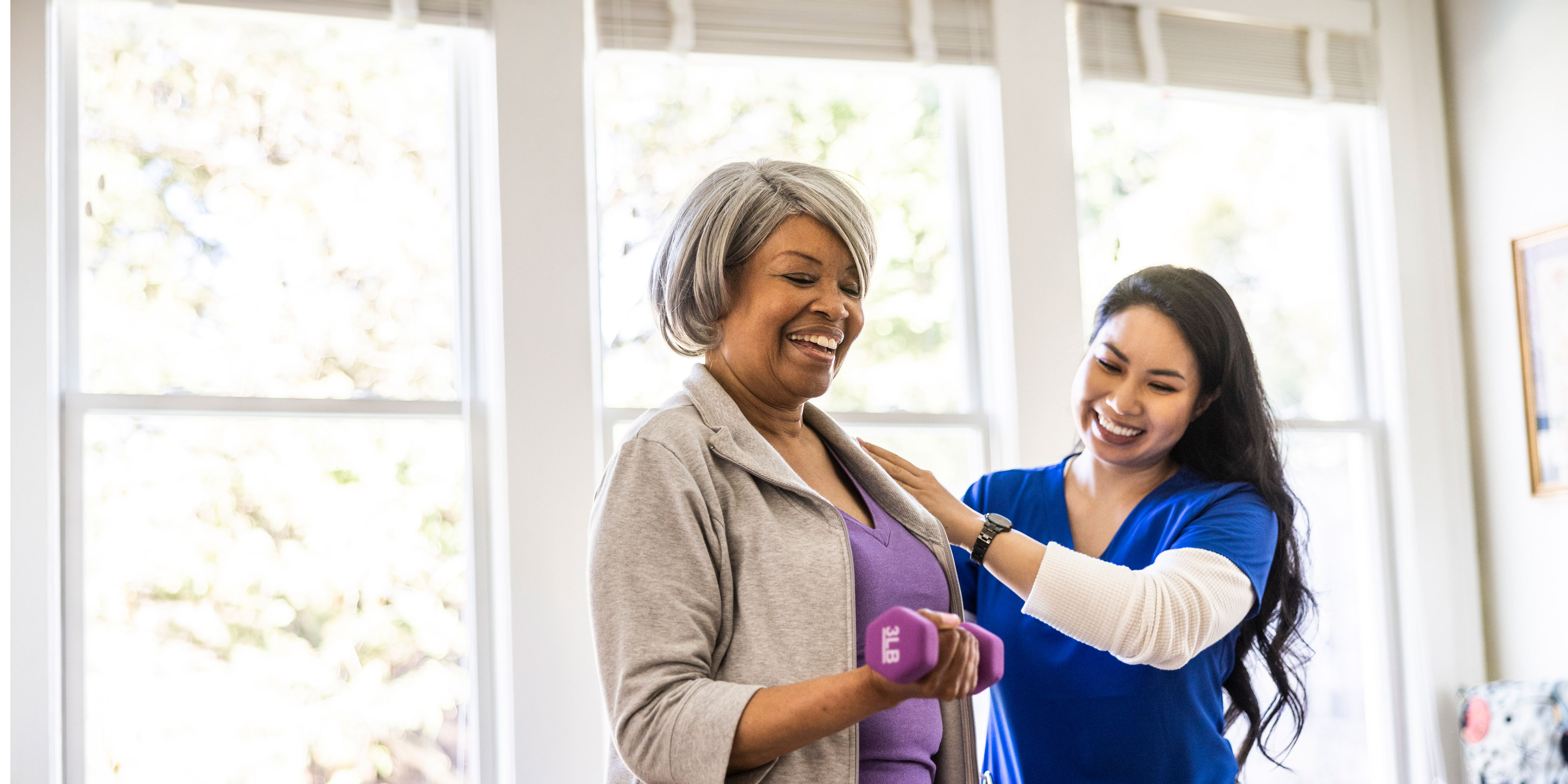
Physical therapy can be a vital partner in navigating chemo-induced peripheral neuropathy (CIPN), a common side effect of cancer treatment.
Read MoreWhen you need local health information from a trusted source, turn to the CHI Health Better You eNewsletter.