Skip to Main Content

Beyond the Green: Understanding and Overcoming Golf Injuries

The satisfying thwack of a well-struck ball, the camaraderie of a morning round, the peaceful escape of rolling greens – golf offers so much more than just a game. But for all its allure, golf, like any sport, comes with its own set of potential pitfalls: injuries. From amateur enthusiasts to seasoned pros, golf injuries can sideline players and dim the enjoyment of the game.

Understanding common golf injuries, and knowing how physical and occupational therapy can prevent and aid in recovery can keep you swinging strong for years to come. 

The Usual Suspects: Common Golf Injuries

While golf isn't a contact sport, the repetitive, rotational movements and explosive power involved put significant stress on various parts of the body. Here are some of the most common injuries plaguing golfers:

  • Low Back Pain: A persistent plague for many golfers. The forceful rotation and extension of the spine during the swing, especially with poor technique or insufficient core strength, can lead to muscle strains, disc issues, or facet joint irritation.
  • Elbow/Wrist Pain: Pain in the elbow and forearm related to muscle and tendon irritation. Often linked to gripping the club too tightly, improper swing mechanics, and forceful impact of the dread chunk.
  • Shoulder Injuries (Rotator Cuff Tendinitis/Tears): The shoulders are crucial for generating power and controlling the club. Repetitive overhead movements and forceful rotations can lead to inflammation or even tears in the rotator cuff tendons.
  • Knee Pain: While less common than back or elbow issues, the rotational forces on the knee during the swing, particularly the lead knee, can exacerbate existing conditions or lead to ligament/meniscus strain.
  • Hip Pain: The powerful hip rotation involved in the swing can lead to issues like hip impingement or muscle strains, especially in the glutes and hip flexors.

Your Secret Weapon: How Physical & Occupational Therapy Can Help

If you find yourself sidelined by a golf injury, don't just "play through the pain" – that's a recipe for chronic problems. Physical and Occupational Therapy are your allies in getting back on the green safely and effectively.

Prevention

“An ounce of prevention is worth a pound of cure” - Benjamin Franklin

  1. Warm Up Properly: Before stepping on the first tee, dedicate 10-15 minutes to dynamic stretches and light cardio. Focus on rotating your torso, swinging your arms, and marching in place.
  2. Stretch Regularly: Incorporate a consistent flexibility routine into your daily life, paying attention to your shoulders, hips, and lower back. Yoga or Pilates can be excellent complements.
  3. Strengthen Your Core: A strong core is the foundation of a powerful and injury-resistant golf swing. Include exercises like planks, bird-dogs, and rotational movements in your fitness routine.
  4. Take a Lesson: A swing coach can help you perfect your swing mechanics and ensure appropriate equipment. 
  5. Stay Hydrated and Nourished: Proper nutrition and hydration contribute to overall muscle health and injury prevention.
  6. Vary Your Practice: Don't just hit hundreds of balls on the range each time. Incorporate chipping, putting, and short game practice to vary the stresses on your body.

Physical/Occupational Therapy/Recreational Therapy: The Path to Recovery and Strength

A skilled therapist will conduct a thorough assessment, analyzing your movement patterns, strength, flexibility, and even your golf swing (if trained to do so). Their multifaceted approach includes:

  • Pain Management: Manual therapy techniques, modalities like ultrasound or electrical stimulation, and advice on activity modification to reduce pain and inflammation.
  • Restoration of Range of Motion: Gentle stretches and mobilization exercises to regain full movement in affected joints.
  • Strengthening: Targeted exercises to fortify weakened muscles, especially the core, glutes, shoulders, and forearms, which are crucial for a stable and powerful swing.
  • Neuromuscular Re-education: Improving coordination and control of movements, teaching your body how to move efficiently and safely again.
  • Golf-Specific Rehabilitation: Therapists can guide you through exercises that mimic elements of your swing, gradually and safely rebuilding your golf-specific strength and endurance. 
  • Education: Understanding your injury, what caused it, and how to prevent recurrence is empowering. Also education around grip, adaptive equipment, accessibility. 

Here at CHI Health Rehabilitation Care at Immanuel, we can assess ROM through the Titleist Performance Institute’s screening process and provide a customized stretching and strengthening program for you. For those living with chronic conditions such as Stroke, Parkinson’s disease, and spinal cord injury among others, our professionals can assess you for modifications and adaptive equipment to get you back on the course. 

Golf is a game to be enjoyed for a lifetime. By understanding the common pitfalls, embracing the power of physical and occupational therapy for recovery, and committing to proactive prevention, you can ensure your swing stays strong and your days on the green remain filled with joy, not pain. Don't let an injury keep you from your next great shot!

Sarah Goodwin,OTD, OTR L

Sarah Goodwin,OTD, OTR/L, is an occupational therapist with CHI Health.

Related Articles

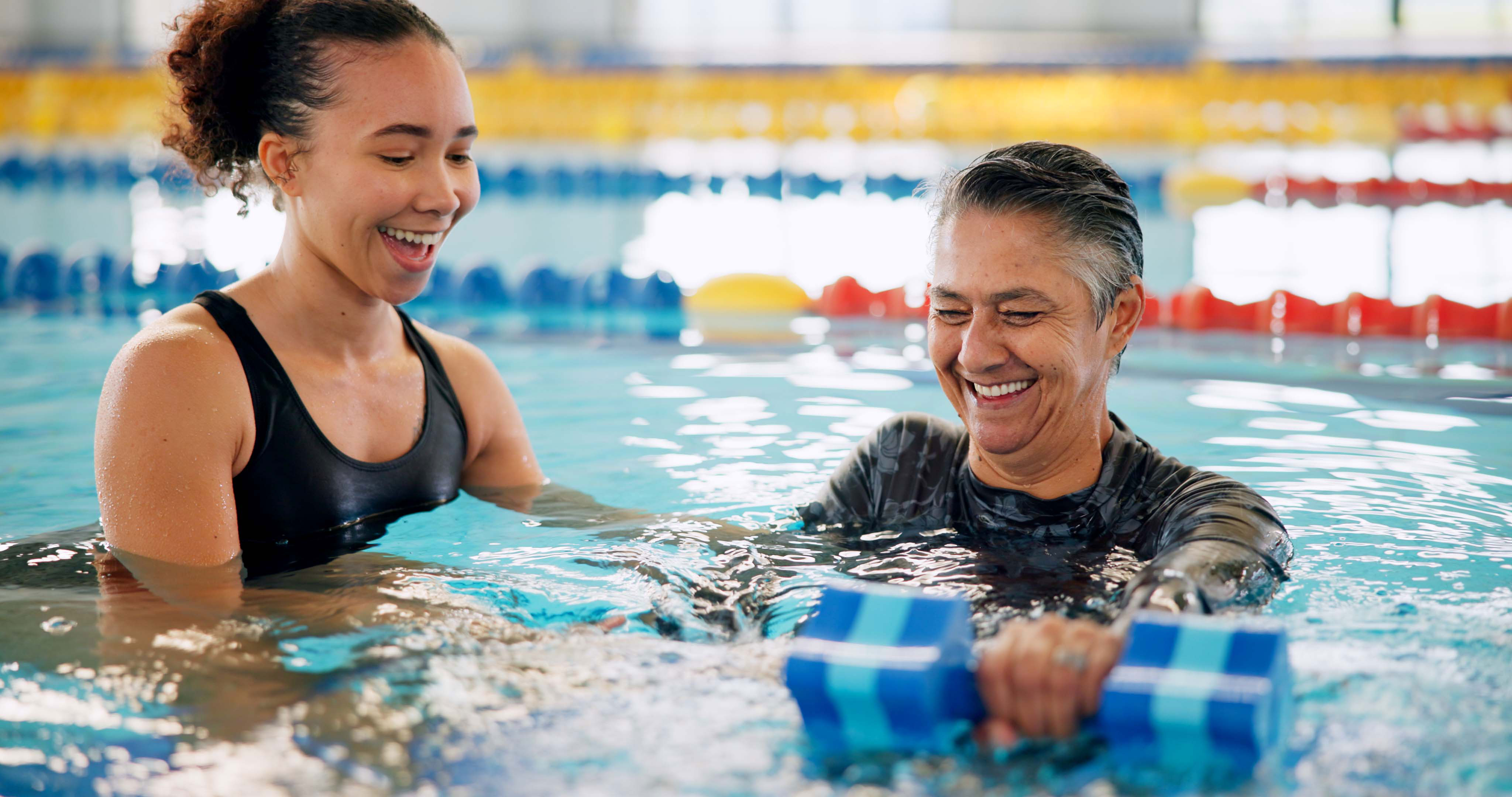
Healing with Ease: Why Aquatic Physical Therapy Might Be Your Path to Recovery

OCT 02, 2026

Adding aquatic physical therapy—the practice of performing exercises in a temperature-controlled pool—can be a transformative part of recovery.

Read More

Understanding Functional Cognitive Disorders

AUG 12, 2026

Experiencing cognitive or speech challenges when scans look clear? You are not alone. Our team specializes in diagnosing and treating functional disorders.

Read More

Beyond Swelling: How Occupational Therapy Empowers Life with Lipedema & Lymphedema

JUL 27, 2026

Living with lipedema or lymphedema means not only managing physical swelling but also navigating daily challenges, maintaining independence, and adapting to a changing body. Occupational therapy can help with these obstacles.

Read More