5 Signs Your Pelvic Floor Needs Support
OCT 13, 2026If you’ve been experiencing discomfort or "little accidents," you aren’t alone, and it’s not just "part of getting older."
Read More
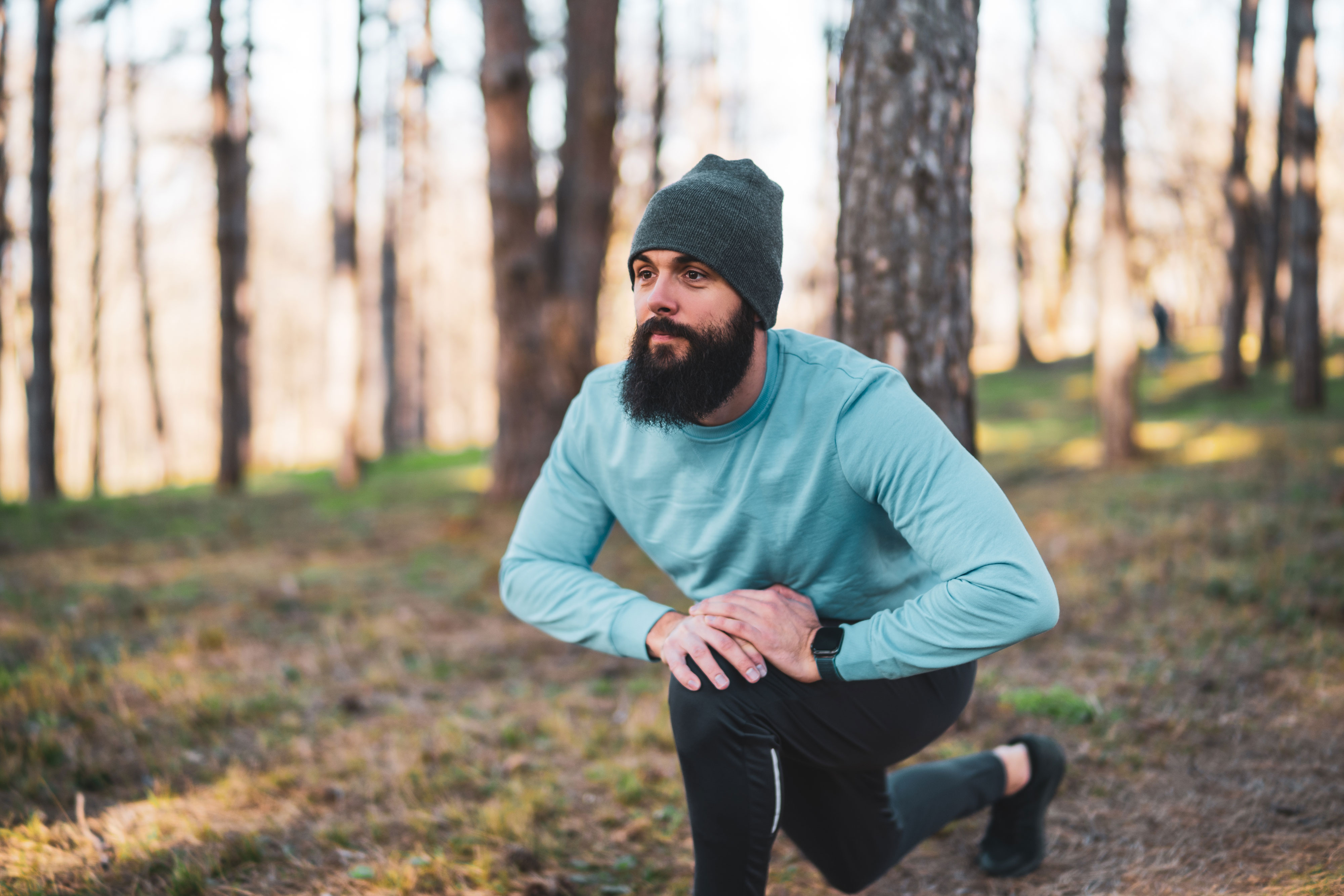
You may have seen the headlines recently: Giants shortstop Willy Adames turning to Platelet-Rich Plasma (PRP) therapy to address a ligament injury. It’s a move that has "regenerative medicine" in the spotlight, and it’s sparking interest from my own patients.
If you are struggling with a chronic injury or persistent pain and are looking for an alternative to surgery, this leading-edge treatment is quickly becoming a game-changer in our clinic.
PRP uses your body’s own natural healing tools. We start with a simple blood draw, then process that sample to concentrate the platelets—the cells packed with growth factors essential for tissue repair. We then inject this healing solution directly into the site of your injury—whether it’s a tendon, ligament or joint—to jumpstart your body’s own recovery process.
Performed right in my office, the entire procedure typically takes about 60 minutes. As your body activates its natural healing response, you may notice temporary mild discomfort, minor bruising or light swelling around the injection site over the following few days. This is a normal sign that the healing process is underway.
Physical therapy also plays an important role in recovery by rebuilding flexibility and strength while protecting healing tissues.
The goal of PRP is simple: accelerate your own healing process.
We aren’t just masking symptoms; we are delivering a high dose of healing agents to the source of your pain. We are seeing incredibly encouraging results, helping patients return to their favorite activities—from professional sports to daily walks—faster and more effectively than traditional methods might allow.
Don't settle for living with pain. Many patients are surprised to discover just how effective PRP therapy can be for healing and pain relief. If you would like to explore whether this non-surgical option fits your personalized treatment plan, please reach out!


If you’ve been experiencing discomfort or "little accidents," you aren’t alone, and it’s not just "part of getting older."
Read More
Breast cancer remains the most common cancer among women worldwide (excluding skin cancers).
Read More
Physical therapy can be a vital partner in navigating chemo-induced peripheral neuropathy (CIPN), a common side effect of cancer treatment.
Read MoreWhen you need local health information from a trusted source, turn to the CHI Health Better You eNewsletter.