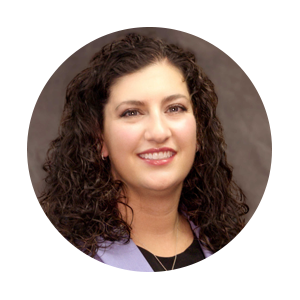
As a radiation oncology nurse practitioner, I’ve had the privilege of walking alongside countless patients on their cancer journeys. It’s a road filled with challenges, triumphs, and sometimes, unexpected turns. My role isn't just about administering treatment or monitoring vital signs; it's about being your advocate, your resource, and often, your confidante. While we spend a lot of time together in the clinic, there are a few things I truly wish every one of my patients knew from the start.
So, from my heart to yours, here's what your oncology nurse wants you to know:
1. Communication is Key – We're Here to Listen
This is probably the single most important message I can impart. Your journey is unique, and so are your questions and concerns.
- No Question is Too Small: Seriously. Whether it's about a weird metallic taste in your mouth, the best time to take your anti-nausea medication, or how to interpret a test results – ask us! We'd much rather address a small concern early than have it fester into a bigger problem. Don't ever feel like you're bothering us.
- Report Symptoms Immediately: If you experience new pain, a fever (even a low-grade one!), an expected side effect, or any significant change in your health, tell us right away. Don’t wait for your next scheduled appointment. Early intervention can make a world of difference in managing side effects and preventing complications.
- Be Honest About Challenges: Cancer treatment isn’t just about the physical; it takes a toll emotionally, mentally, and practically. If you’re struggling with anxiety, overwhelming fear, or even practical issues like getting to your appointments or affording prescriptions, please let us know. We work closely with social workers, financial counselors, and support groups who are specifically there to help you navigate these often-overlooked burdens. You don't have to carry them alone.
2. Managing Treatment and Side Effects – Be Proactive and Prepared
Your treatment plan is a carefully orchestrated strategy, and your active participation is vital.
- Follow Treatment Schedules: This isn’t just a suggestion; it’s crucial for the effectiveness of your therapy. Skipping treatments or delaying appointments can disrupt the delicate balance designed to target cancer cells while allowing your body time to recover. If you're facing a barrier to keeping an appointment, communicate with us immediately.
- Proactive Care for Side Effects: This is a big one. For example, if you’re prescribed anti-nausea medication, take it as prescribed, even if you're not feeling nauseous yet. Don’t wait until you're desperately sick before reaching for it. Staying ahead of side effects often means they are less severe and more manageable. The same goes for pain medication – don't let the pain get out of control before you act.
- Keep a Notebook: Your appointments can be a lot to take in. Keep a small notebook or a dedicated app to jot down questions as they arise. Use it to record new symptoms, their severity, and how you’re feeling day-to-day. This information is incredibly valuable when you’re talking to your care team and helps us provide the best, most individualized care.
3. Self-Care and Lifestyle – Give Yourself Grace
This journey demands an incredible amount of strength, and remembering to nurture yourself is not a luxury, it’s a necessity.
- Be Patient with Yourself: A cancer diagnosis and its treatment are profoundly overwhelming. There will be good days, and there will be challenging days. Give yourself grace. It’s okay to feel upset, tired, or frustrated. You are going through something immense, and healing isn't always linear.
- Nourishment is Important: While nausea and taste changes can make eating a challenge, focusing on good nutrition is incredibly important. Your body needs fuel to fight the cancer, recover from treatment, and maintain strength. We can connect you with dietitians who specialize in oncology nutrition to help you find foods that are palatable and beneficial.
- Use Your Support System: You don't have to be a superhero. Lean on your support system – your family, friends, and yes, your health care team. We nurses, social workers, and other professionals are here to help ease the emotional and practical burdens. Let us connect you to support groups, therapy options, or community resources that can provide comfort and practical assistance.
4. Safety and Expertise – You Are in Capable Hands
Rest assured, you are receiving the highest level of specialized care.
- Trust in Specialized Care: Oncology nurses are not just general registered nurses. We undergo extensive training to handle complex treatments, manage the unique and often sensitive needs of patients, and stay current with the latest advancements in cancer care. We are your safety net.
- Be Safe with Medication: Medication adherence is vital. Plan ahead for your medication refills, especially for prescriptions you take regularly. Don’t wait until you're down to your last pill, particularly if it's nearing a weekend or holiday. This helps prevent interruptions in your treatment and ensures you’re always well-stocked.
Your cancer journey is a partnership, and we are committed to being your dedicated partners every step of the way. By communicating openly, being proactive in your care, prioritizing your well-being, and trusting in our expertise, you empower yourself to navigate this path with strength and hope. We're here for you.